
Laparoscopic gastrointestinal surgery procedures for colorectal cancer
Learn more about minimally-invasive colorectal surgical procedures.
Laparoscopic gastrointestinal surgery procedures for colorectal cancer
Learn more about minimally-invasive colorectal surgical procedures.
What can I expect in a laparoscopic gastrointestinal surgery procedure?
Laparoscopic surgery refers to a minimally-invasive surgical technique that is used to treat a wide range of medical conditions.
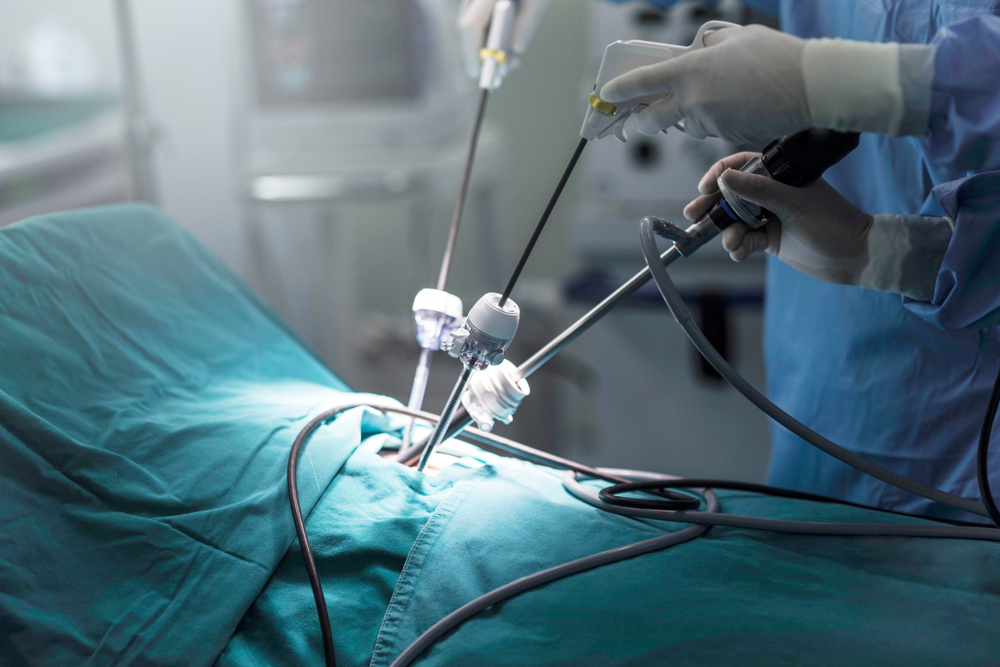
Here, instead of performing a colectomy—which involves performing the surgery through a single long incision—a surgeon performs the procedure through several smaller, pinhole incisions on the abdomen.
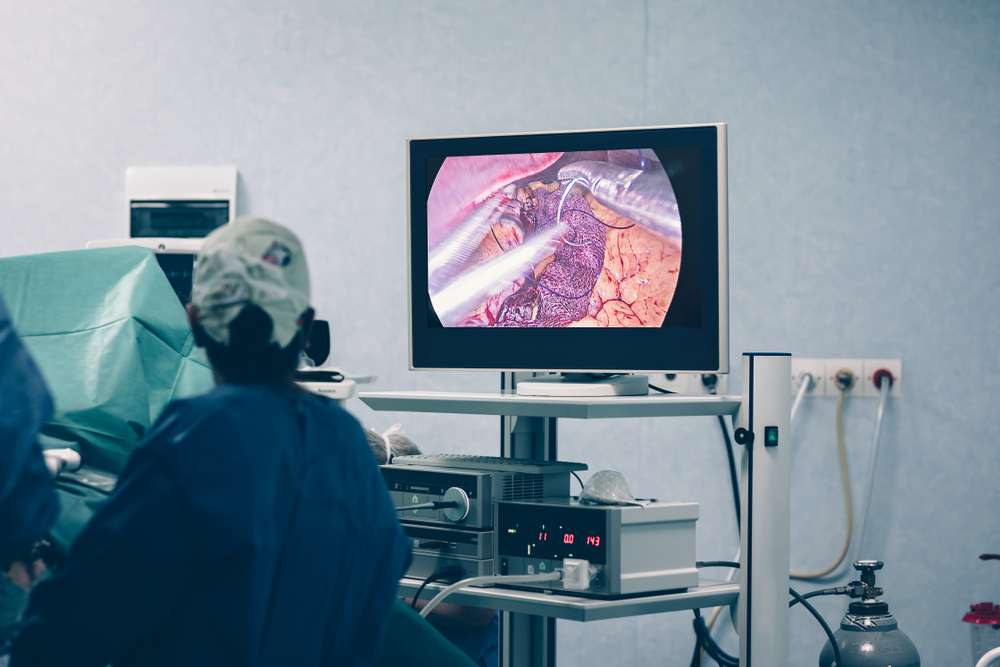
A laparoscope—a long, thin instrument with a camera and light on the end—is inserted into one of these incisions enabling the surgeon to observe the surgical site. Other incisions are used to insert surgical tools needed to perform the surgery.
Concerns surrounding laparoscopic gastrointestinal surgery procedures
While it’s used more commonly today, laparoscopic gastrointestinal surgery procedures have been subjected to controversy with patients having several concerns about its safety and effectiveness.
Physicians have also questioned the advantages and the safety of performing laparoscopy for colorectal surgery.
Despite these concerns, laparoscopic surgical procedures are now widely accepted as a safer alternative to regular surgical procedures and are used extensively in treating colorectal cancer.
Why may your doctor recommend a laparoscopic gastrointestinal surgery procedure for colorectal cancer?
- It’s noted that there is minimal chance of increased tumour spillage when undergoing laparoscopic surgery.
- Several studies have also revealed that there may be lesser pain and fewer analgesia requirements.
- Laparoscopic gastrointestinal surgeries for colorectal cancer include minimal exposure of the internal organs.
- Patients often have faster recovery of gastrointestinal motility after laparoscopy than conventional surgeries.
- Patients experience short hospital stays because postoperative complications are found to be significantly less.

Explore our other posts on stomach cramps
Explore our other posts on stomach cramps
Visit the Sydney Gut Clinic
At Sydney Gut Clinic, we have a team of gastrointestinal specialists trained in diagnosing and treating a wide range of gastrointestinal conditions.
If you have reservations about laparoscopic gastrointestinal surgery procedures for colorectal cancer, schedule an appointment with our team to discuss your concerns and explore your treatment options.










FAQs
Is laparoscopic surgery painful?
Compared to conventional surgical procedures, laparoscopic surgery may be less painful—any pain that’s experienced can be managed with medication.
Is laparoscopic surgery safe?
Laparoscopic surgery is as safe as any other surgery. The surgeon initially inspects the abdomen to determine whether laparoscopic surgery is the suitable treatment for the patient. In case there is significant inflammation or the surgeon encounters other factors that prevent a clear view of internal organs, they may opt for conventional surgery.
How long is the recovery period for laparoscopic gastrointestinal surgery?
Usually, the recovery from laparoscopic surgery is faster than conventional surgery.
That said, recovery time may vary from patient to patient depending on factors such as general health and age. The presence of other conditions such as diabetes or heart disease may also affect recovery.
Consult our specialists to learn more about colorectal surgery
Sydney Gut Clinic services are only available to patients in Australia.