
Gastroenterology and hepatology: What’s the difference?
Find out about the differences between these two areas of medical study.
Gastroenterology and hepatology: What’s the difference?
Find out about the differences between these two areas of medical study.
Gastroenterology vs hepatology
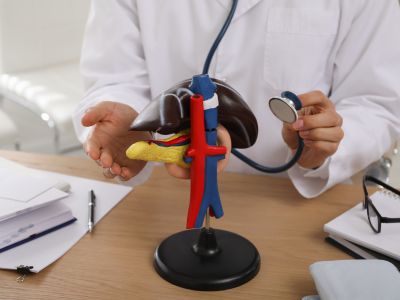
Gastroenterology and hepatology sound like very different medical terminologies, but they’re more similar than most people think. In fact, the medical conditions that gastroenterologists and hepatologists treat often overlap.
While hepatologists specialise in treating medical conditions related to the liver, gastroenterologists focus on medical conditions that involve the rest of the digestive system.
By identifying the differences between gastroenterology and hepatology, you’ll gain a strong understanding of which kind of specialist will be able to help you with your medical requirements.
Gastroenterology vs hepatology
Gastroenterology and hepatology sound like very different medical terminologies, but they’re more similar than most people think. In fact, the medical conditions that gastroenterologists and hepatologists treat often overlap.
While hepatologists specialise in treating medical conditions related to the liver, gastroenterologists focus on medical conditions that involve the rest of the digestive system.
By identifying the differences between gastroenterology and hepatology, you’ll gain a strong understanding of which kind of specialist will be able to help you with your medical requirements.

What is gastroenterology?
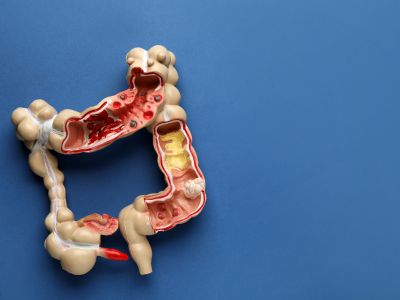
Gastroenterology covers medical conditions that affect different components of the digestive tract, including the bile ducts and the liver. Typically, a gastroenterologist is trained to identify medical problems involving the:
- Stomach
- Small intestine
- Large intestine
- Pancreas
- Gallbladder
- Rectum
- Anus
- Oesophagus
Some of the medical conditions gastroenterologists diagnose and treat include Irritable Bowel Syndrome (IBS), acid reflux, and various cancers of the digestive tract.
What is gastroenterology?
Gastroenterology covers medical conditions that affect different components of the digestive tract, including the bile ducts and the liver. Typically, a gastroenterologist is trained to identify medical problems involving the:
- Stomach
- Small intestine
- Large intestine
- Pancreas
- Gallbladder
- Rectum
- Anus
- Oesophagus
Some of the medical conditions gastroenterologists diagnose and treat include Irritable Bowel Syndrome (IBS), acid reflux, and various cancers of the digestive tract.
What is hepatology?
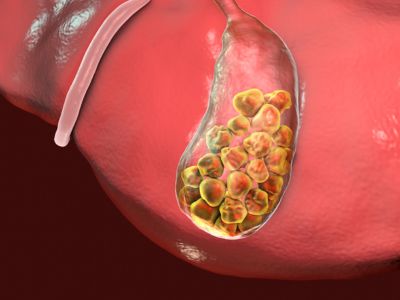
Hepatologists specialise in treating medical problems associated with the liver and the bile ducts. These specialists are trained in carrying out surgeries such as liver transplants and treating advanced liver disease.
They diagnose and treat liver-related conditions such as:
- Chronic liver disease
- Abnormal liver tests
- Vascular liver disease
- Liver cancers and tumours
- Acute and chronic liver failure
- Hepatitis
When you go to a gastroenterologist and if you’re diagnosed with a severe liver or biliary system-related condition, you may be referred to a hepatologist for further support and treatment.
What is hepatology?
Hepatologists specialise in treating medical problems associated with the liver and the bile ducts. These specialists are trained in carrying out surgeries such as liver transplants and treating advanced liver disease.
They diagnose and treat liver-related conditions such as:
- Chronic liver disease
- Abnormal liver tests
- Vascular liver disease
- Liver cancers and tumours
- Acute and chronic liver failure
- Hepatitis
When you go to a gastroenterologist and if you’re diagnosed with a severe liver or biliary system-related condition, you may be referred to a hepatologist for further support and treatment.

Make an appointment at the Sydney Gut Clinic
Sydney Gut Clinic has some of the most experienced gastroenterologists and hepatologists in Sydney. When you make an appointment with us, you can be assured that you’re in safe hands.
If you’re looking for medical support and treatment for a gastrointestinal or liver-related medical condition, schedule an appointment with us today.
Make an appointment at the Sydney Gut Clinic
Sydney Gut Clinic has some of the most experienced gastroenterologists and hepatologists in Sydney. When you make an appointment with us, you can be assured that you’re in safe hands.
If you’re looking for medical support and treatment for a gastrointestinal or liver-related medical condition, schedule an appointment with us today.
FAQs
Can hepatologists treat gallstones?
Yes, they can. They’re trained to treat all medical conditions related to the biliary system.
Should I see a gastroenterologist if I’ve been experiencing vomiting?
Vomiting isn’t always a serious problem, but if you’ve been experiencing frequent vomiting, it may be a sign of an underlying medical condition. In this case, you should consider seeing a gastroenterologist.
What are the signs of a damaged liver?
Some signs of a damaged liver include:
- Yellowish skin and eyes
- Pale-coloured stool
- Swelling of the lower legs
- Distention and pain in the abdomen
- Dark urine